International Awareness Day for Myalgic Encephalomyelitis

Posted on Facebook:

Today is International Awareness Day for Myalgic Encephalomyelitis (ME/CFS) and this is my small effort to educate and contribute to a larger understanding of this disease. Like I said last year, there’s not much point in continuously sharing information within the patient community, since we know the hardships all too well, so I’m asking my healthy friends to take a minute to learn a bit more about this debilitating neuroimmune condition. Only with awareness can the tides change.

Like many illnesses, there is a large range of disability. Some people can hold jobs, while the severe end of the spectrum is horrific incapacitation*. Unlike other illnesses, however, there is virtually no budget for research (male pattern baldness has 6 times the funds devoted to discovering treatments, according to Dr. Klimas).

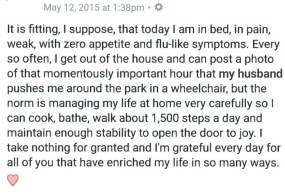
274c75c7-e926-442c-947c-68e020e95d2b-1-1In my own case, I have made a lot of improvement since starting immunoglobulin infusions 7 months ago. Facebook reminds me that this time last year I was bedbound, in pain, with flu-like symptoms, which still happens, but with much less frequency. Things are more stable, payback isn’t as vicious. I still use a mobility scooter in the dog park, but I have more than doubled my daily steps and I’m able to do more. Today I went to the bank. 🙂

More information:

Jen Brea on TED Blog
Occupy CFS: Very Very Aware
Learning to Live With ME/CFS: Today is International ME/CFS Awareness Day

How you can help:

On May 26th, MEAction has organised the #MillionsMissing project, which will take place in multiple cities across the world, with a coordinated campaign of demonstrations and demands. Learn how you can support it here.

Sign this petition to increase funding to find a cure.

There is very little funding for research for treatments, so, if you have the inclination and means, donations are sorely needed:

U.S: Open Medicine Foundation
U.K: Invest in ME

In the U.S:
Tell Congress to Increase Funding for ME Research.
Send your congressional rep Llewellyn King’s article on The Hill’s “Congress Blog”.
Buy a “Congressional pack“.

*More info on severe M.E.:
Severe M.E. and Invisible Illness Video
JK Rowbory: All the things that you never wanted to know about my life with an acute chronic illness

Crutch

This morning, I’m without internet for perhaps the first time since being housebound and I’m embarrassingly out-of-sorts. I’m online doing something pretty much all day. Whether it’s reading articles, talking with people on WhatsApp, ordering things I need, paying bills, connecting with the outside world on Facebook, streaming shows to our TV, podcasts, music– it all requires an internet connection. My calendar is online, my to-do lists are online, my newspapers are online, I have commitments with a neighbourhood group and we communicate solely via FB Messenger, Skype is down and I don’t have international calling on my phone… It even took me a while to figure out how to type this because I don’t have a laptop with Word and I usually just open an email to write blog posts.

I realise this is a privileged problem–I’m not complaining about the internet being down, I’m complaining about how dependent on it I have become, how empty my daily routine is without the World Wide Web. But empty is an ugly word–how open and full of possibilities my day is without my crutch. And just how incredibly grateful I am for that crutch. If I were too sick to look at a screen or be near wi-fi, or if I had gotten sick years before I did, this would have been a far more harrowing and isolated experience. The internet has told me what doctors couldn’t, my symptoms are less scary and things are put in perspective, I’ve made wonderful new friends, stayed connected with some old friends and traveled the world with them through photos online. But today I might do exactly what I longed to do when I was a workaholic — laze at home and read a book. Pity I already feel antsy and am losing focus one page in. My brain needs some serious retraining.

Title Credit (when I was trying to decide what to call this short post, I realised it would be an excellent opportunity to share Ren’s new song, featuring his girlfriend. He is someone I know online who suffers with M.E. and Lyme disease. He is also an incredible musician. This song brought tears to my eyes (of course, it’s not about the silly interent, it is about the much more important crutches in our lives–our loved ones).)

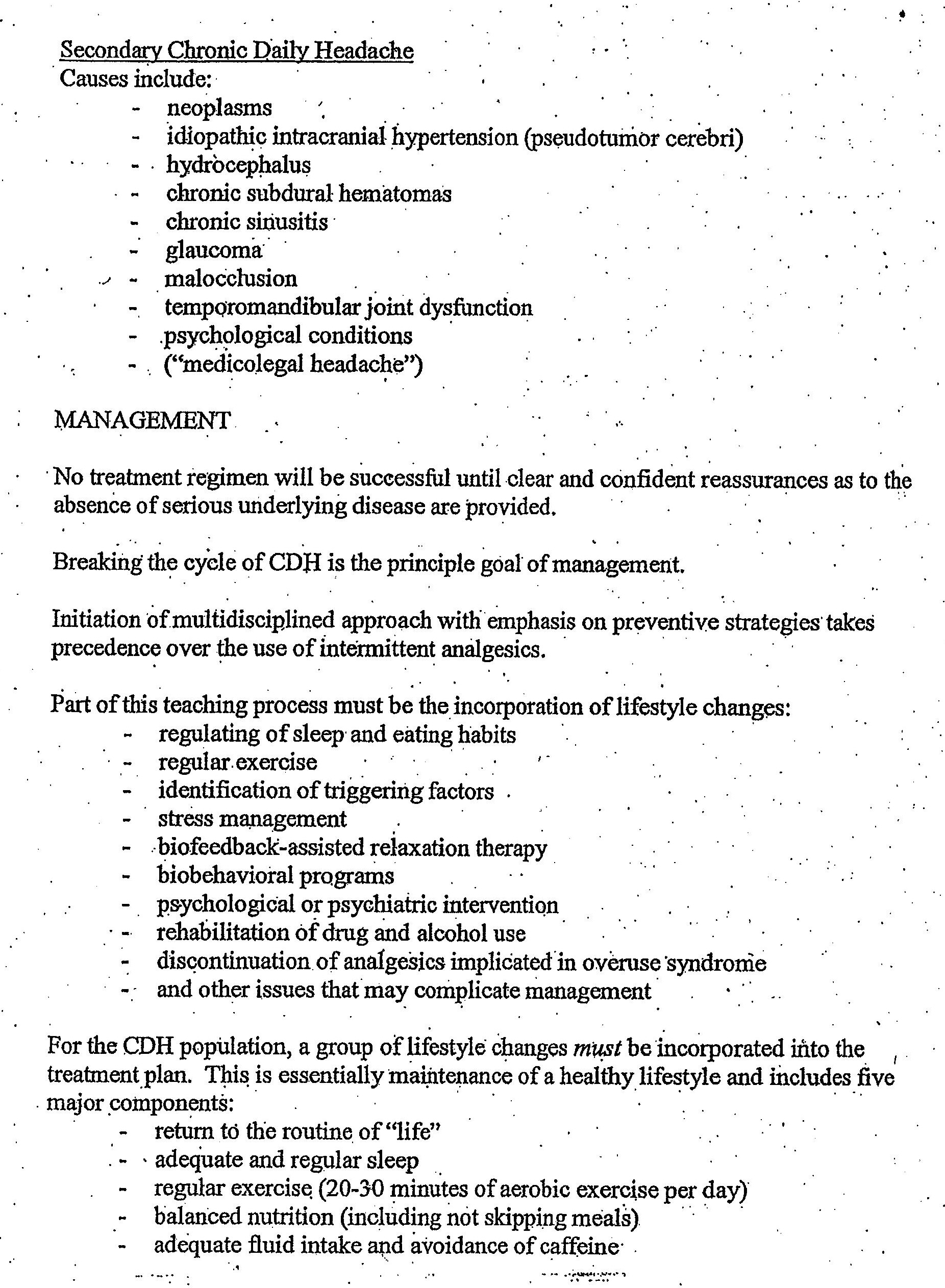
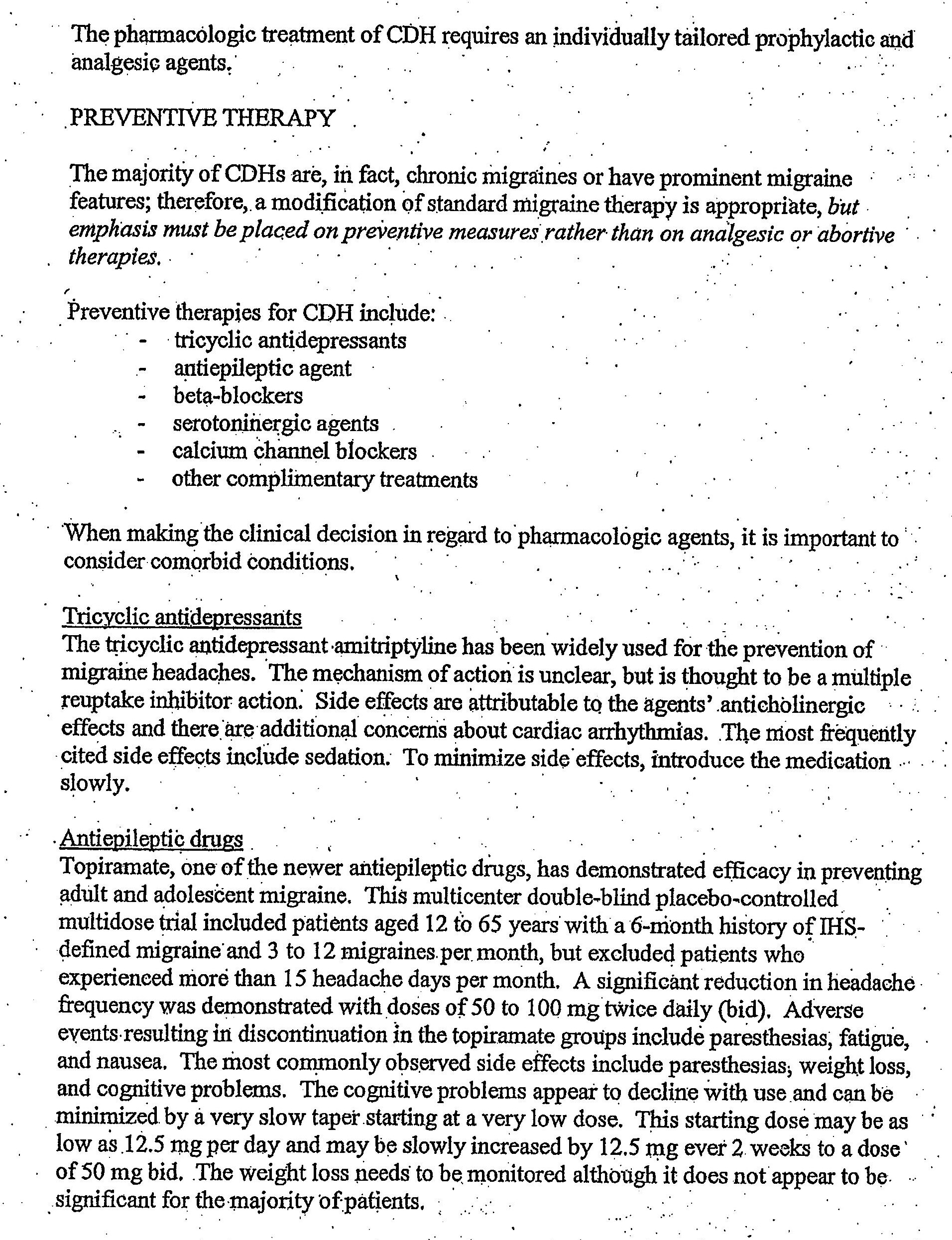
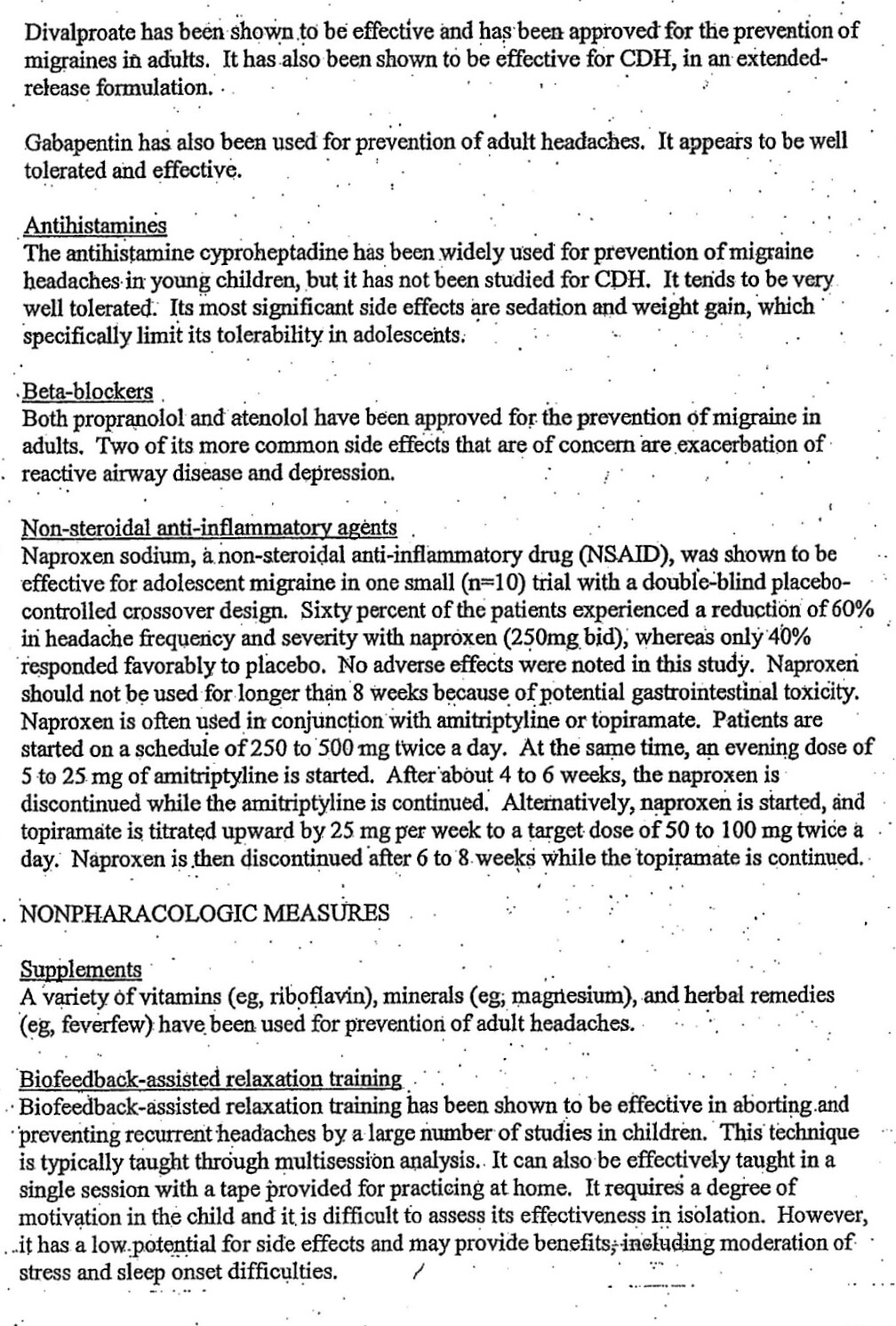
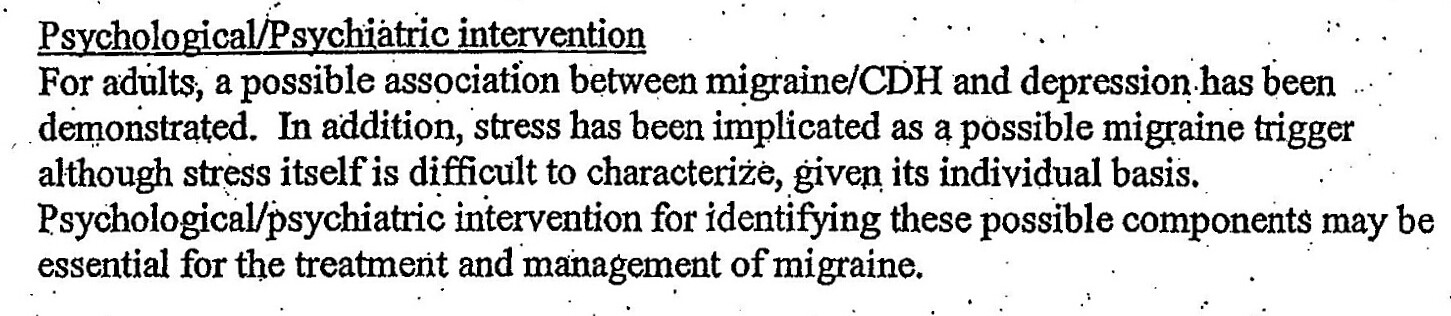
Migraine Help From Headache Neurologist

Last year I was taking an Uber (taxi service) to an appointment and, thankfully, the car wasn’t smelly with cleaning products or dangling air fresheners, but the driver had the radio on and I’ve found background noise difficult since I got sick. I asked him if he would mind turning it down because I had a migraine, which wasn’t exactly true in that moment, but I do get migraines and that’s usually a good excuse for the taxi conversation about scents and noise and why you have your sunglasses on and the window down when it’s gloomy and raining. Turns out, this man had to leave his 9 to 5 job because of crippling migraines and was really suffering until he saw a local neurologist. He said he was having a hard time with migraine meds and she put him on this mitochondrial supplement and a natural regimen that helped tremendously (my ears perked up at a random stranger talking about mitochondrial deficits causing migraines, so I bought the supplement right away, but haven’t gotten around to taking it in the last eight months). Of course, I wrote the specialist’s info down and, when I saw my therapist, I mentioned this doctor to him (my therapist sees lots of people with complex illnesses like mine and has a network of good doctors that he recommends based on feedback from patients). “Oh yes, I’ve heard great things about Dr. Murinova,” said my therapist, so that sealed the deal, I wanted to see her. “But she stopped taking new patients.” Somehow, though, I managed to slip in and get an appointment and, it was true, when I tried to reschedule it, she had nothing else open for the rest of the year, so I felt fortunate (and kept the appointment).

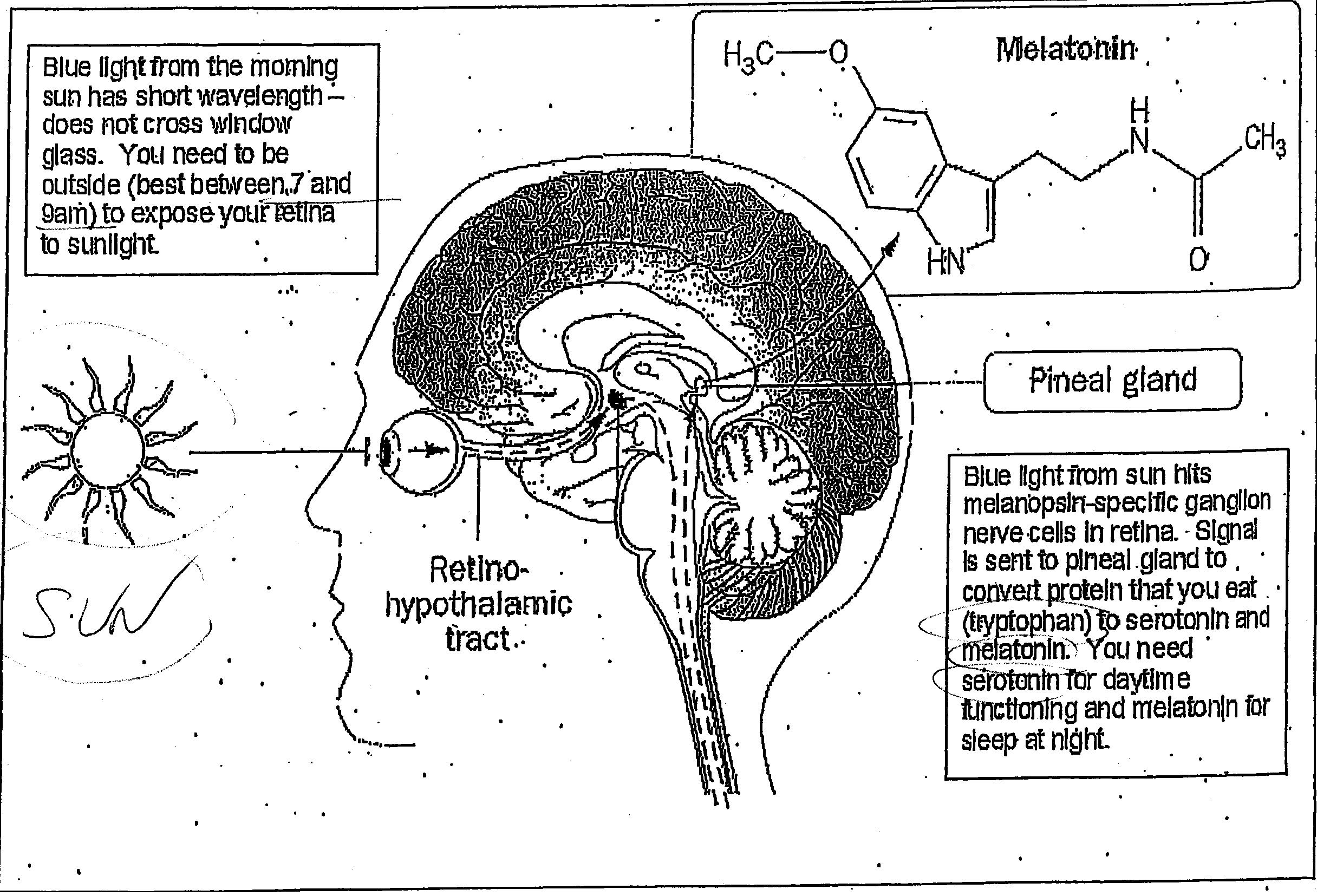
There are some not-so-glowing online reviews of Dr. M, but most seem to center on her brusque demeanor. She’s Eastern European and has that sort of no nonsense approach, which doesn’t bother me at all. I quite like it, in fact. At one point, I told her it would be really difficult to wake up early enough to see the morning sun and she looked at me hard and said, “Do you want to get better or not?” Gulp. Yes, I want to get better! She said there was no point in eating good food and enough protein if you aren’t getting up in the morning because the blue light signals the pineal gland to convert protein to serotonin and melatonin (see her handout below). Her bluntness was effective. I haven’t managed to change my sleep schedule, but I certainly started taking it more seriously.
image
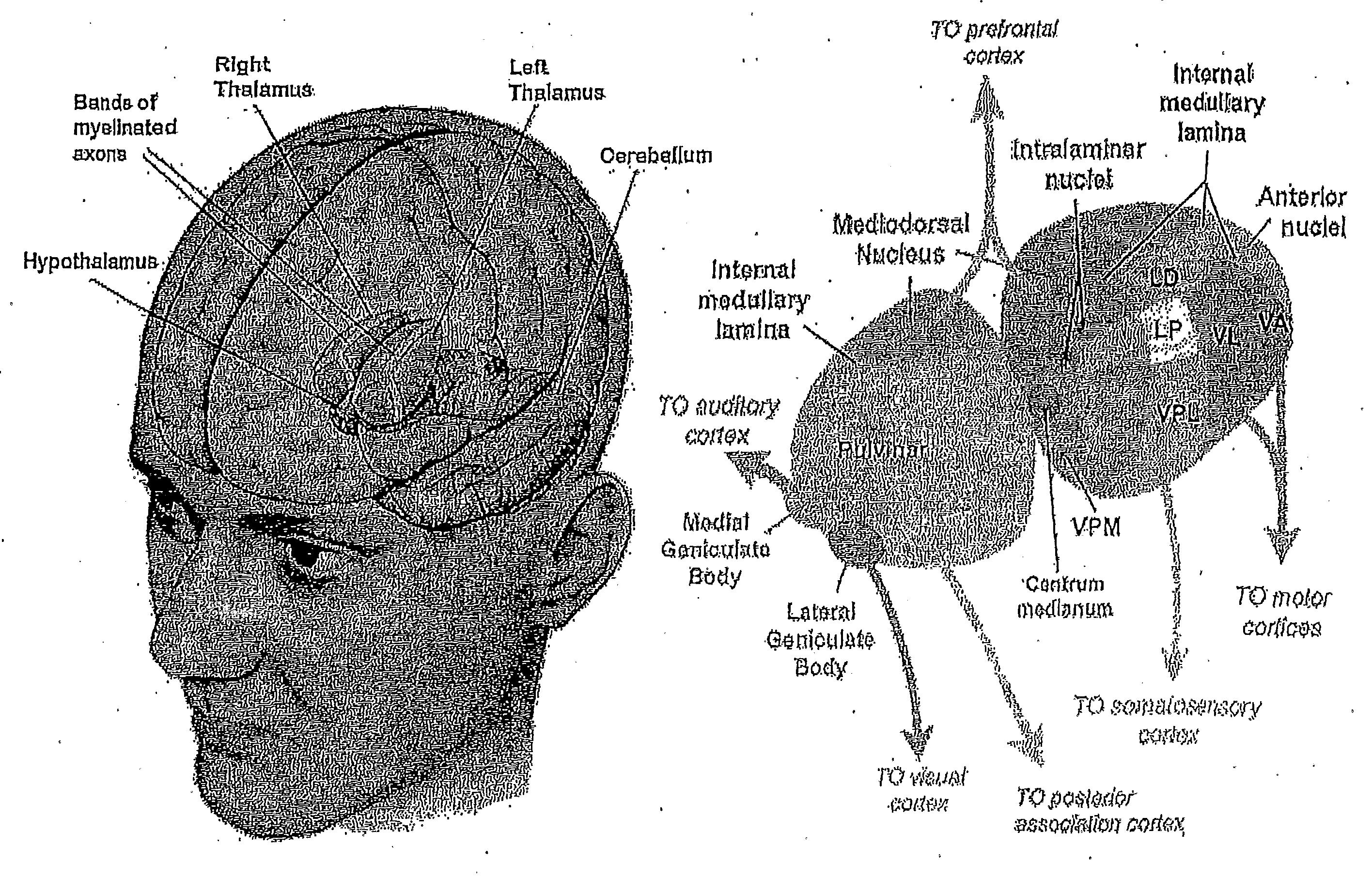
imageShe diagnosed me with: “Chronic intractable migraine, with status migrainosus and occipital neuralgia.” She also gave me a physical exam and then diagnosed me with fibromyalgia before we’d even talked about my primary illness. Believe it or not, that was the first proper hands-on work-up I’ve had for fibromyalgia since being sick — even during those early years of excruciating body pain. She said migraines are tied to mitochondrial insufficiency, IBS, fibromyalgia etc. and that low available energy kicks off the trigeminal nerve alarm which causes pain. My genetic predisposition (my father has a long history of cluster headaches) coupled with central sensitization and not enough energy to power the thalamus properly = migraines. I thought she was very thorough and obviously extremely knowledgeable. I especially liked that she had a natural protocol and a medication protocol depending on patients’ needs.

Below is the plan she gave me. I can’t say it is definitely her advice that has helped (I started immunoglobulin infusions right after seeing Dr. M), but my headaches have been much better in the last six months.

  • Change my posture (shoulders back and scapula close together). She said it will feel unnatural, but bring the shoulder blades together as much as possible. I’ve been doing this.
  • Yoga might help neck issues. Haven’t tried this yet.
  • Aerobic exercise and build muscle to feed mitochondria. My goal.
  • Good nutrition and enough protein. Try ish.
  • Deep breathing, relaxation and other parasympathetic nervous system activities. I do these daily.
  • Sleep better, but wake yourself up early for outside light from 7-9am to build serotonin (that time is very important for short wave light that feeds your brain; you need it to cross the retinas, but not through a window. She felt this was non-negotiable). I haven’t managed this, of course.
  • No more Tylenol (more than one a week will perpetuate headaches). Now I only take it once a week for my immunoglobulin infusions and on the rare occasion of a bad headache.
  • Drink up to 3 cups a day of feverfew tea (she thought this was most important. She has weaned patients off migraine meds with this tea). I drink it daily.
  • Consider SAMe (200mg/day), yarrow formula, magnesium, coq10, riboflavin (I already take the last three), other B vitamins (B12 shots are a possibility for a boost).
  • A device called Cefaly, which works on the trigeminal nerve to break the feedback loop and is proven to greatly reduce migraines. $300 out of Costco in Canada.
  • Instead of Tylenol, consider low-dose Lyrica as bridge drug, not a permanent therapy.
  • Book: Chronic Pain and Fibromyalgia by Stephen Stahl.
  • The study she gave me is great reading. It also suggested acupuncture, oxygen, capsaicin and butterbur, but she didn’t specifically mention those.
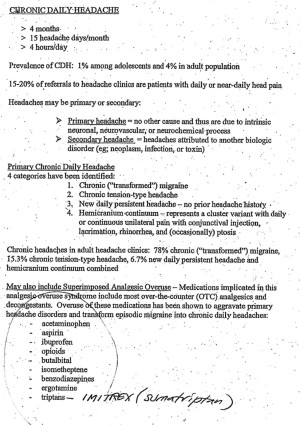
  • She also gave me the following handout, which you can hopefully enlarge to read:
image

1

Treatment Update

Today (actually last Thursday, it took me a while to write this), I had my follow-up appointment with Dr. Kim to go over the gaggle of blood tests I had done in March. There is a lot that I am adding into my regimen, so I wanted to document it all asap before I forget everything she said.

We’re going to try hyperbaric oxygen therapy! I said it as a joke as we walked past the room with the claustrophobia chamber: “When do I get to dive?” And she thought it was actually a good idea. So, I’m going to start with a very short time (10-15 minutes) and work up to 60 minutes “at depth”, with supplemental oxygen, once a week. This is out-of-pocket, of course, and pricey at $150-$175 per 60-minute session, so I’ll try a few and see how I do.

I am starting a slow treatment for candida with Nystatin, Diflucan and Thorne SF722. Here’s the protocol:
*Nystatin on Mondays and 2 capsules a day of Thorne SF722 Tuesday through Sunday for 3 weeks.
*Then the same thing with Diflucan on Mondays for 3 weeks.
*Then Nysatin Mondays, Diflucan Thursdays and 2 SF722s on the other days for 2 months.
She didn’t mention diet and I didn’t bring it up. Yippee!

I’m increasing oral progesterone to 100mg/day (I’m at 25mg now), staying at 25mg of oral pregnenolone (uh oh, I just realised while adding this link that I’ve been swallowing my pregnenolone whole, not realising it’s sublingual… grreeaaat 😝) and changing from topical DHEA to 25mg oral.

My sex hormone binding globulin (SHBG) is high, which she said functionally lowers hormone levels. I’m going to start nettle root capsules (work up to 300mg twice a day) to bring SHBG down (not to be confused with nettle leaf, which I drink in tea every day).

I’m not anemic, but my iron is low. She wants me to add Floridix, but after reviewing the ingredients, I may just do a generic ferrous gluconate supplement for 6 months.

For sleep:
*5HTP, 75-150 mg at night (this was recommended by a friend–thank you, M–and Dr. Kim thought it was worth a shot). She says it may even interact with the 5HT4 receptors in my GI tract and help motility. 30-50 mg P5P (active vitamin B6) should be taken with 5HTP.
*Dr. Yasko recommended I get my lithium tested (she answered a quick question on Facebook, I’m not working with her) and Dr. Kim thought I could try supplementing a 20-40 mg per day without a test and see if it helps.
*Belsomra, a prescription sleep medication given to me by my sleep doctor, is still sitting on my shelf a year later and I intend to take a small nibble one of these days. It doesn’t interact with 5HTP, so I can try all the things.

For constipation, I am going to try MotilPro (work up to 3 capsules morning and noon) and a bit of iodine in the form of potassium iodide (5-20 mg 4 times per week).

She said my vitamin D at 40.4 ng/mL is actually fine and I should continue taking 4,000iu/day (I take Thorne liquid D3+K2). She bases this on my calcitriol (vitamin D 1,25) number, which is good at 48.2pg/mL, right in the middle of the range.

She’s not worried about my high cholesterol or LDL at all, so I’m going to shake off my concern about that and trust her.

She said not to worry about an Igenex lyme test or my positive bartonella test for now. She is going to treat my high mycoplasma pneumoniae eventually and she said that treatment is similar to what she’d do for tick-borne infections. I have to say, I kind of like that a reputable LLND isn’t jumping straight into Lyme testing and treatment. She’s definitely not a one-trick pony.

I’ll start antimicrobials for M. pneumoniae, CMV, HHV6 and EBV later this year when my body is stronger. She thinks it will most likely take at least 2 years to get those blood tests into the normal ranges (to the point where my immune system isn’t mounting a response against reactivated infections).

Other supplements* and prescriptions I currently take, many sporadically:

MitoCore
CoQ10/ubiquinol
Humic Acid
Thorne Trace Minerals
Thorne Riboflavin-5-phosphate
Thorne Niacel
Thorne vitamin D3+K2
Thorne B complex #6
Magnesium malate
Magnesium glycinate
Jigsaw magnesium
Potassium gluconate
Biotin
Thiamin
Vitamin A
Vitamin C
Wormwood
HCL + gentian + pepsin
Enzymedica Digest Basic
Enzymedica Digest Spectrum
Charcoal
Levothyroxine (100mcg/day)
Liothyronine (15mcg twice/day)
Prednisone (3mg), Benadryl (25mg), Zantac (10mg), fluids (sodium chloride 0.9%, 1 liter) and Gamunex-C (5g) during infusions.

*By the way, all the supplement links here are for Pure Formulas (and all brands are gluten-free, soy-free and well-regarded). I am not affiliated with them in any way and I can’t get kick-backs if you buy something from these links like lots of bloggers that make money that way (although, maybe I should look into that!). I’ve just done a lot of research and they are consistently the best for me. If you decide to order from them and you want to be a kind and selfless friend, you can use my referral code: RRKMLW or shop here. Once you complete an order (without using any of your own reward points), I get a $10 credit. 😀 I like Pure Formulas because a) free shipping with no minimum; b) 2-day shipping always if you have ShopRunner, which I do through my AmEx; c) you earn cash credits for your orders; d) you can return products you have problems with, even if opened; and e) I have contacted many supplement manufacturers to ask about recommended online retailers (because I’ve read some scary articles about knock-off supplements on Amazon) and almost all of them have told me Pure Formulas is reputable. Last thought: if you comment below with your Pure Formulas referral code I will use one whenever I order (which is often).

My Career in Healthcare.

IMG_20160407_121949-1

My view this morning… and all too often.

Recently, I was imploring my husband to find opportunities for couple-time in his schedule, get me out of the house so we could do “fun” things, spend time as a family… I wanted to drive around and look at the extravagant Christmas house lights over the holidays or see the Christmas ships; I wanted to visit Snoqualmie Falls, especially while it was raining so hard and the water would be high and dramatic; I wanted to drive north to look at flocks of snow geese; Seattle Symphony–anything! These things never happen and my husband said, “But every week your energy is maxed out with doctor appointments.” This is true, but this is calculated behaviour so I don’t go stir-crazy or get depressed. I can manage about 3 things a week and I’ve been scheduling about that many appointments every week for years. Hydrotherapy, strain-counterstrain, myofacial release, pelvic floor PT, acupunture, mental therapy, dietician, as well as specialist appointments, follow-up doctor visits, blood draws and testing. When I don’t have something scheduled, my attitude goes down very quickly. I think I might quite literally go insane if I shuffle around the house in baggy pjs for too long, alone, talking to the dogs, cooking meals for one, keeping myself occupied with paperwork, illness research, watching tv– especially in the winter when I can’t at least shuffle into the garden.

I tried to take a week off once and I caved by Thursday and made a massage appointment for the next day. I was crawling the walls, feeling ineffectual, lonely, angry. I wonder how anyone without a spouse or support system survives, or patients who are completely housebound or bedbound or neglected in institutions (not to mention much more horrific situations of war, solitary confinement, POWs…). It’s the isolation more than the confined physical space, I guess. My appointments give me “somewhere to hang my hat” as my grandfather used to say — a reason to get dressed, a place to go and have a conversation. My “rehab specialist” asked me if therapy was helping and I said, “I get dressed and I get to talk to someone.” He’s obviously done a lot more than that for me (for example, helped me find the best doctors and get disability), but my point was clear. Shared experiences are much more important than I realised. Like the outcast monkey that would just hang out on the edges of the enemy monkey territory even though he could be torn to shreds at any moment because the drive for company and community is that strong (I saw it on NatGeo, it made me weep).

My physical therapist and I talk about books, movies, music, tv shows, politics and I get to lie supine and motionless while he gently fixes my pain. How could I give that up? But I would–to do things with my husband. So, that’s what I told him–my husband–and he seemed confused, asked: “You can just stop those appointments? You don’t need them?” It never occurred to me that he didn’t know I scheduled these things to save my sanity, to save me from offing myself. Isn’t that obvious? Of course I don’t need to go to them! I wouldn’t cancel my immunoglobulin infusions, but all other commitments would be trumped by the importance of quality time with people I love. Husband and dogs first, friends next (actually, friend, since only one visits. Love you, Z!), healthcare visits last. That’s how I schedule my weeks. If I think there might be the weather to go to the cemetery with my boys on a day that my husband can do it, I will cancel everything else. I’ve exhausted the search for The Doctor Who Will Fix Me. I’m happy with my GP, endo and body people. I’ve seen the best neurologists. I don’t really think I would benefit from an immunologist, allergist or rheumotolgist. Maybe one day in the future I will see an ME/CFS specialist, but, for now, I’m going to focus on other things. So, my goal for this year is to encourage my husband to work a little less and redirect some of our energy into more joyous experiences. I can’t be very spontaneous, but I can schedule an “appointment” to drive out of town or an hour in a coffee shop or even play a game at home.